Narratives
On this page, you can explore the exhibition through two distinct narratives. They rearrange the same collection to tell a different story about what "Monk" has meant. Choose your preferred narrative to begin your journey through the life of the word "Monk".
I. The Evolution
The Path of History. Follow the linear timeline of the "Monk" concept. This narrative guides you chronologically from the medieval Rule of Saint Benedict (ca. 1040s-60s) through the craftsmanship of 18th-century buckle makers, to the mid-20th century cultural explosion of Bebop Jazz. Perfect for historians and those who love to see cause and effect.
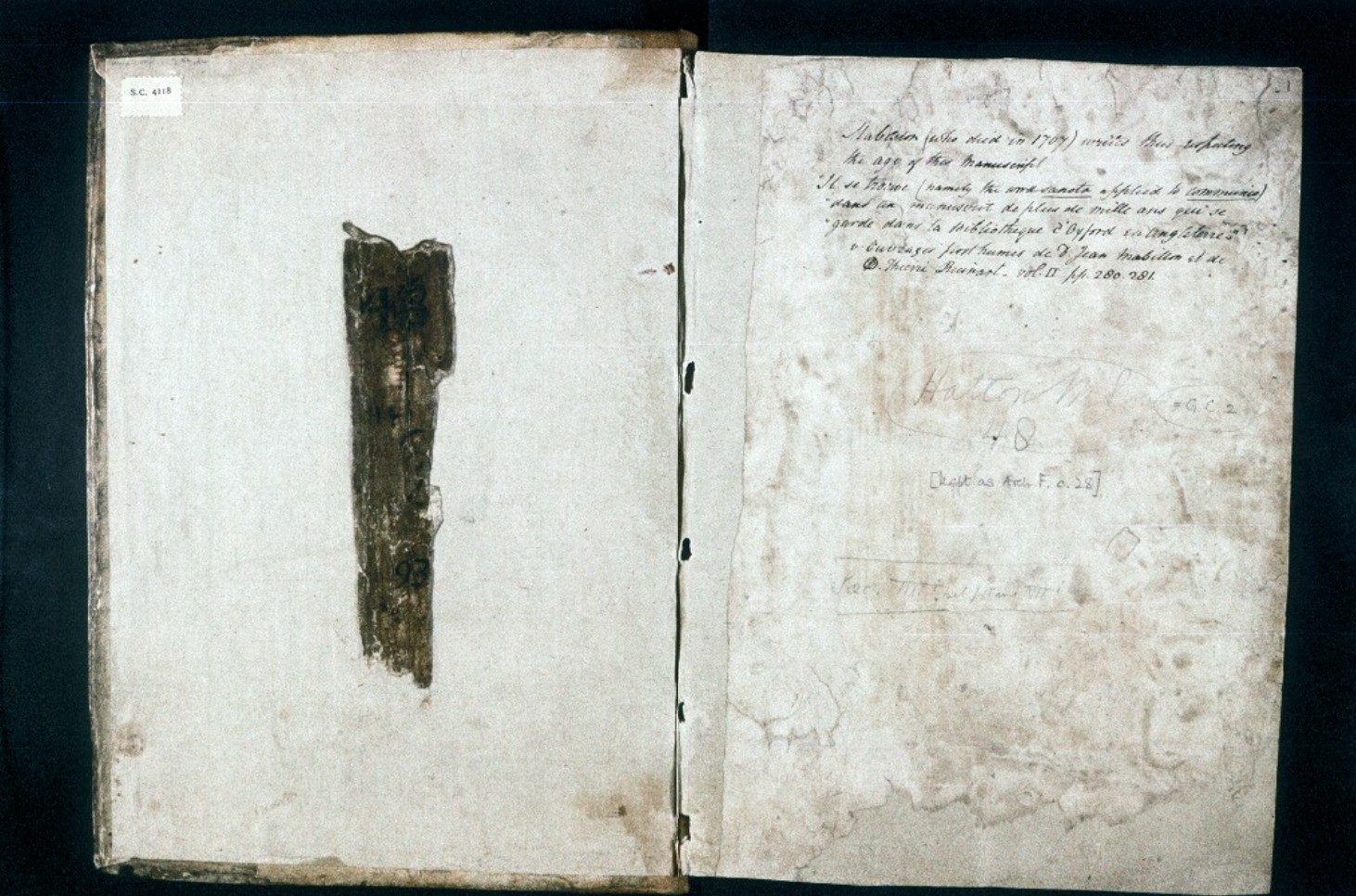
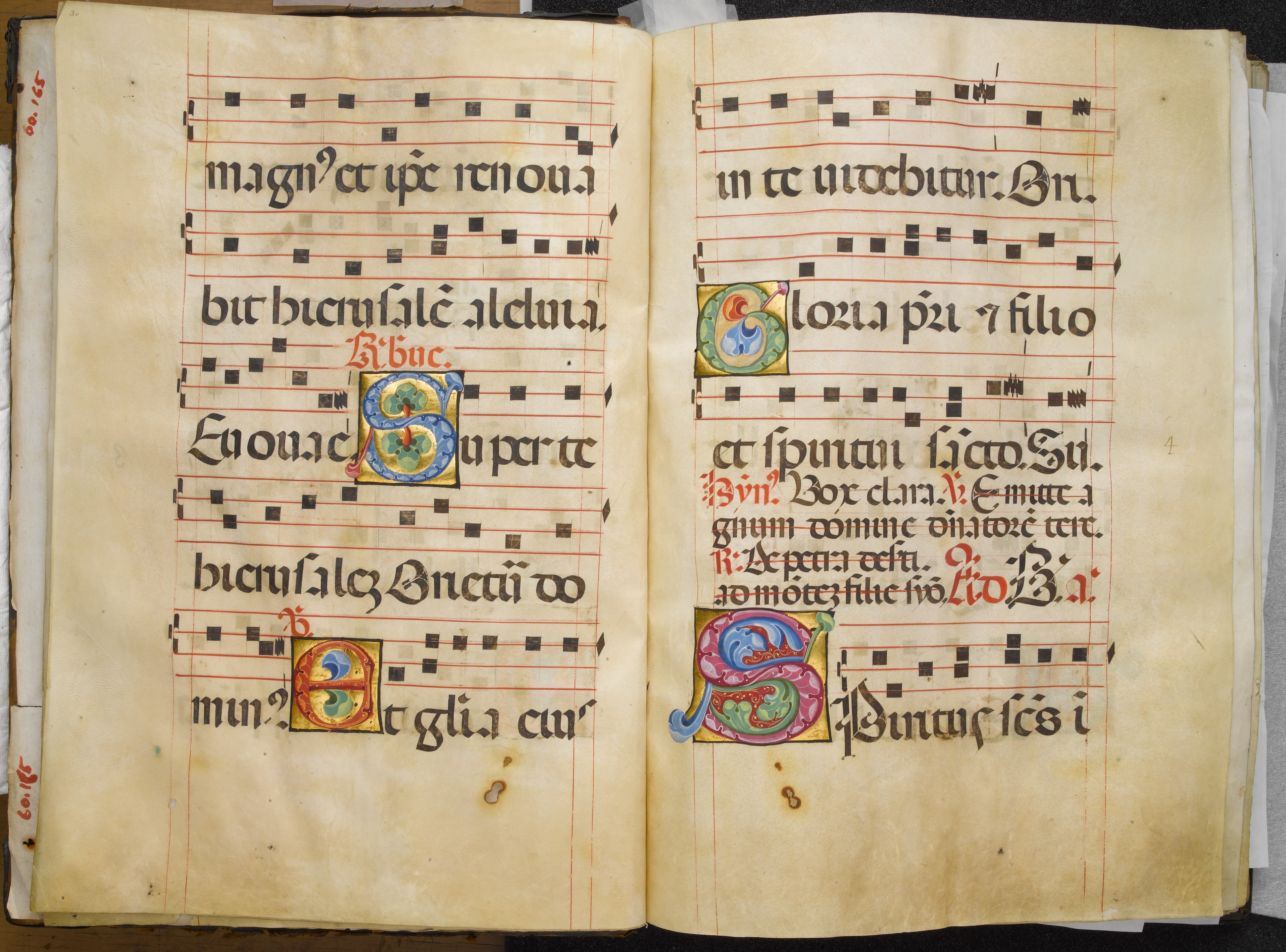
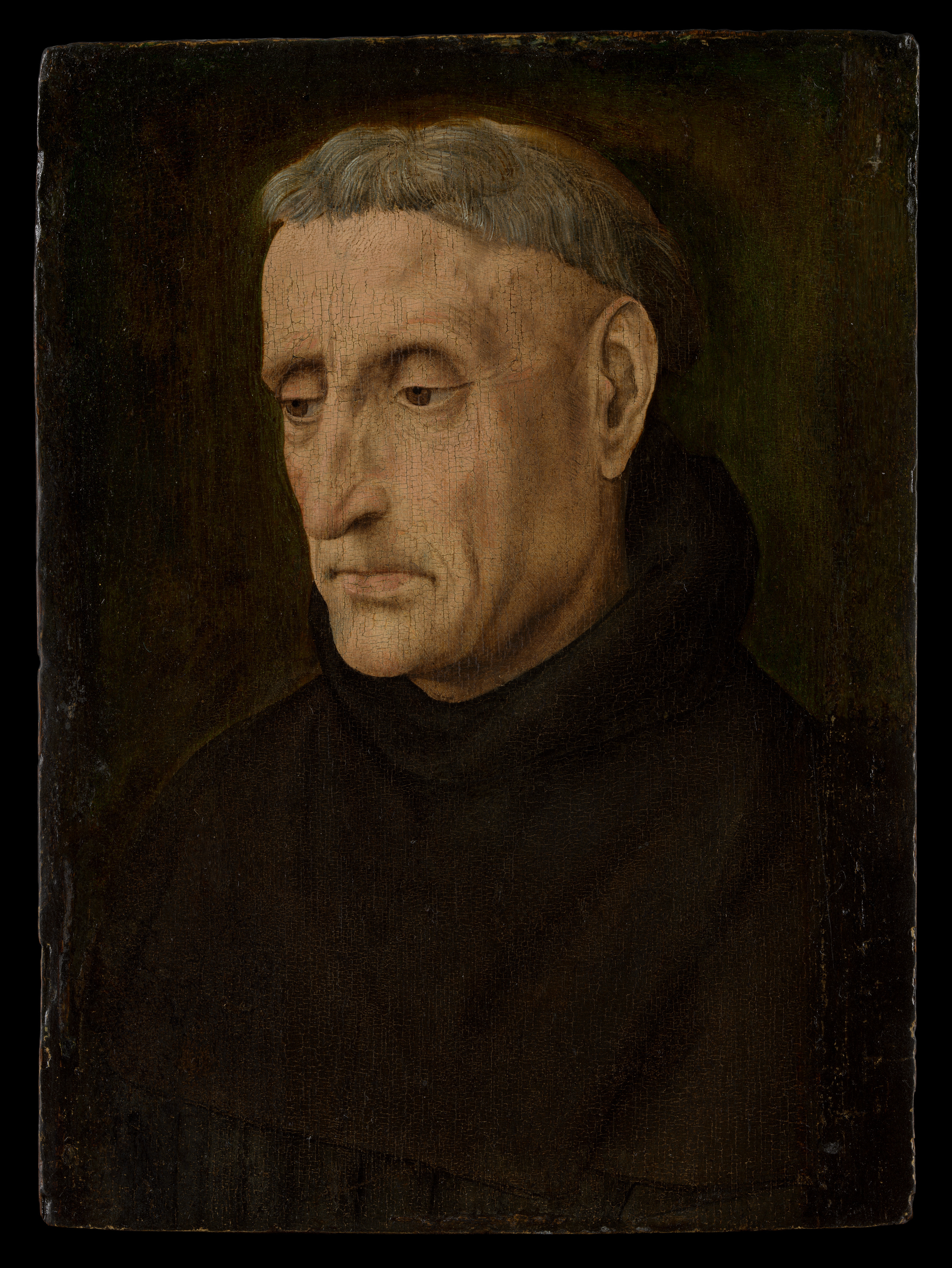
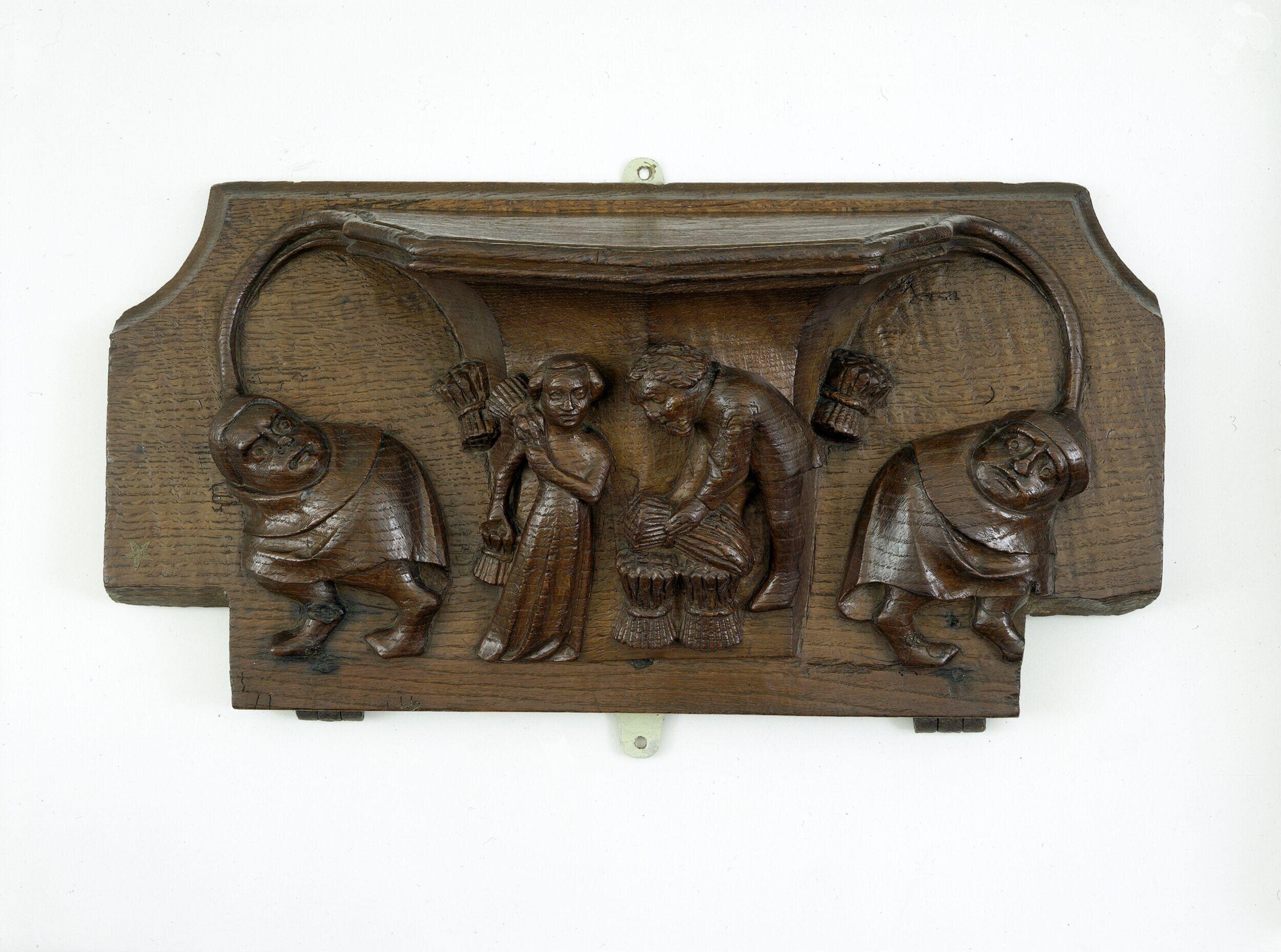
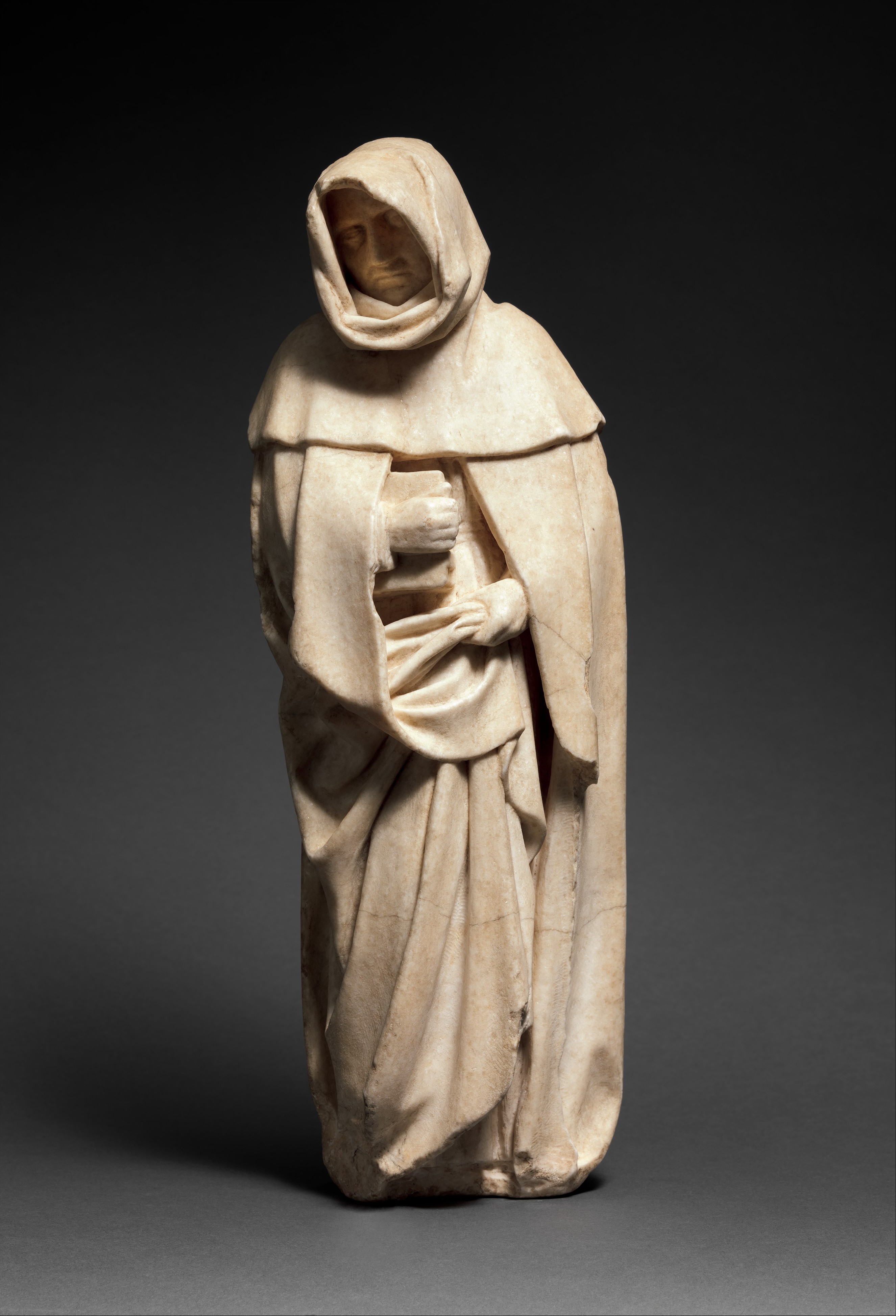
Our journey begins in the silence of the monastery. Here, the “Monk” — from the Greek monachos, meaning “solitary” — is shaped not by what he possesses, but by what he chooses to renounce.
The objects in this section illustrate how monastic life was structured through discipline. The Manuscript of the Rule governed each hour of the day, while the Benedictine Antiphonary organized communal prayer and ensured that every voice merged into a single, regulated chant. Together, these works show how daily rhythms were not improvised, but prescribed.
This is the landscape of Asceticism. Personal expression yields to a severe but intentional aesthetic: rough wool, cold stone, and the rigid geometry of the cloister.
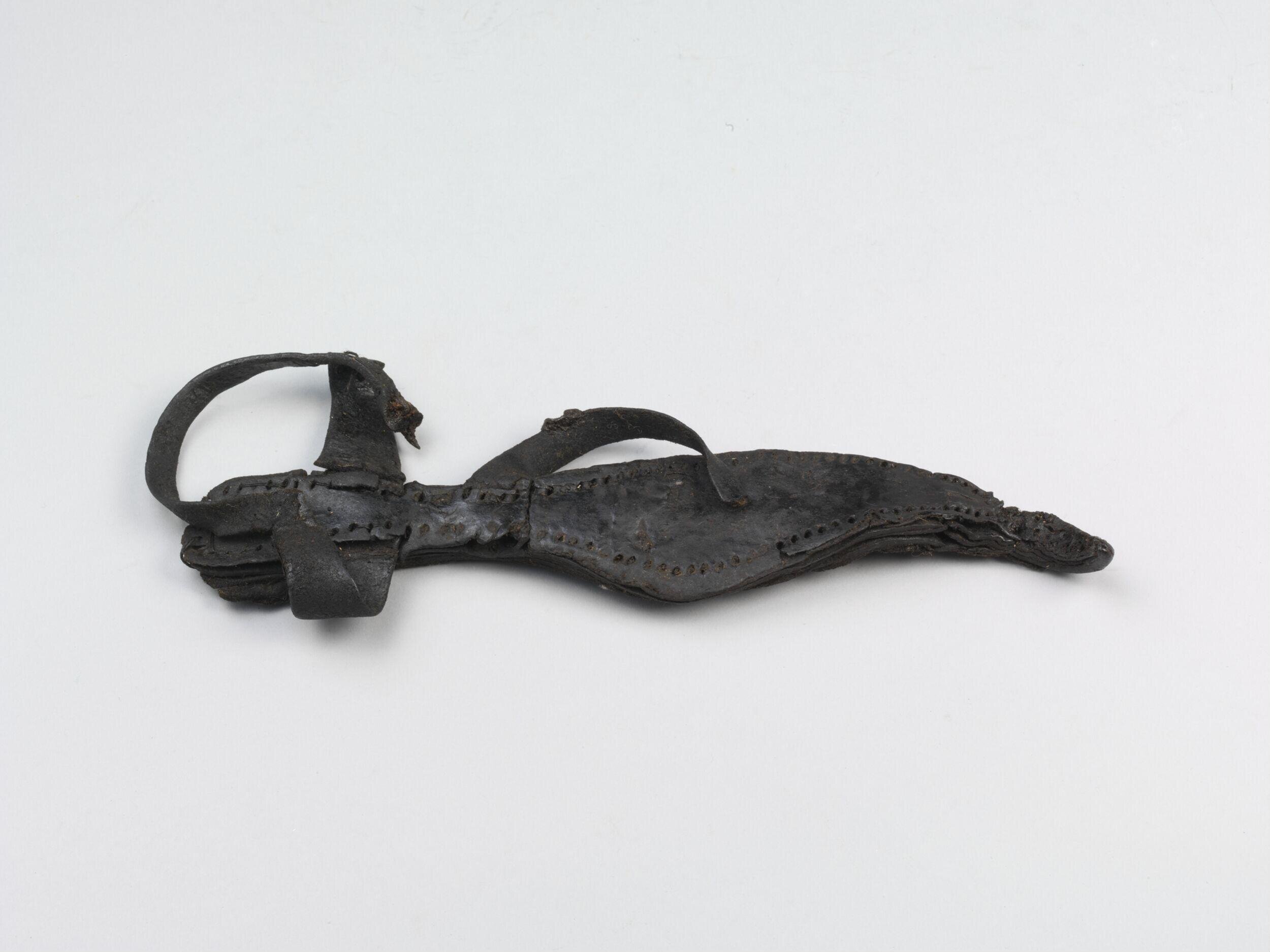
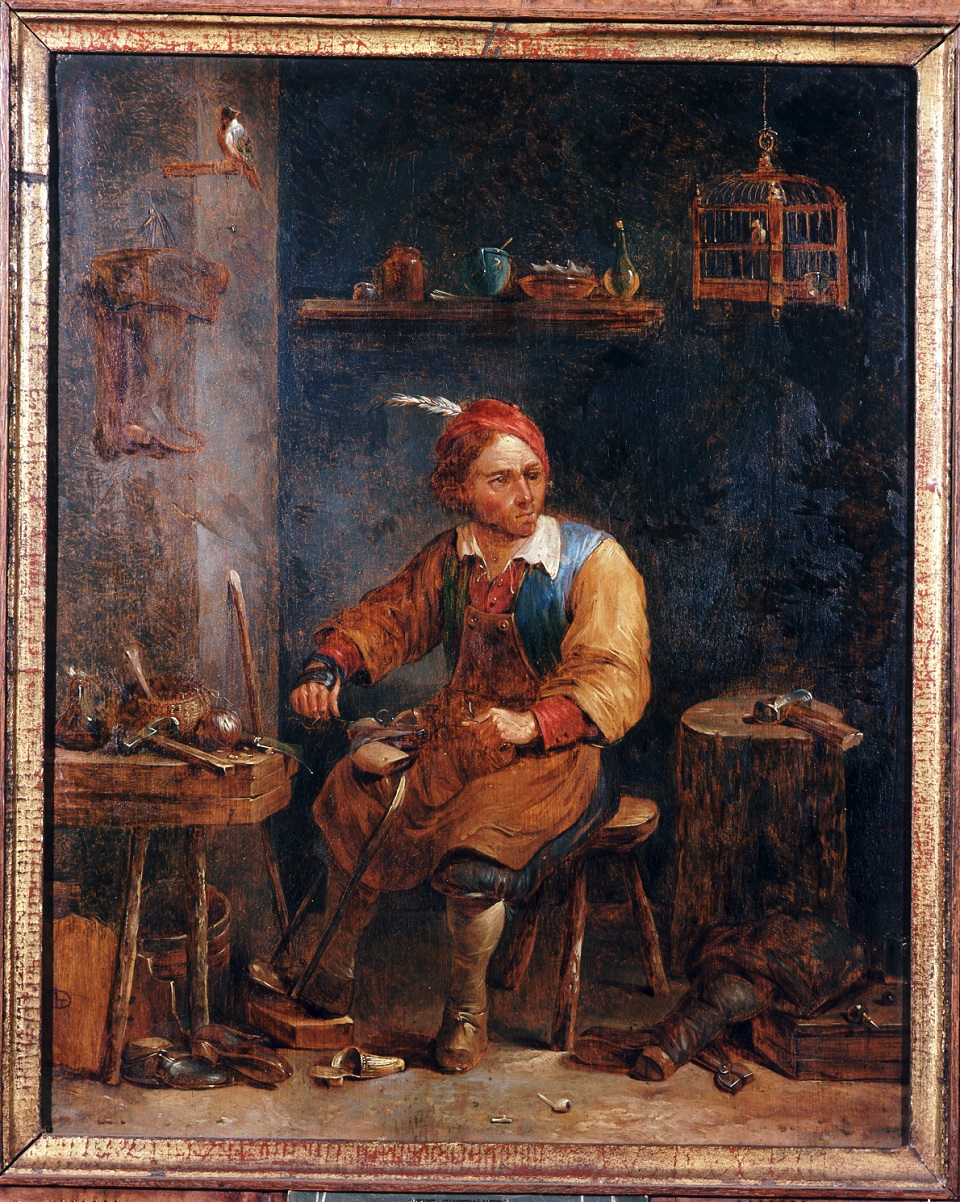
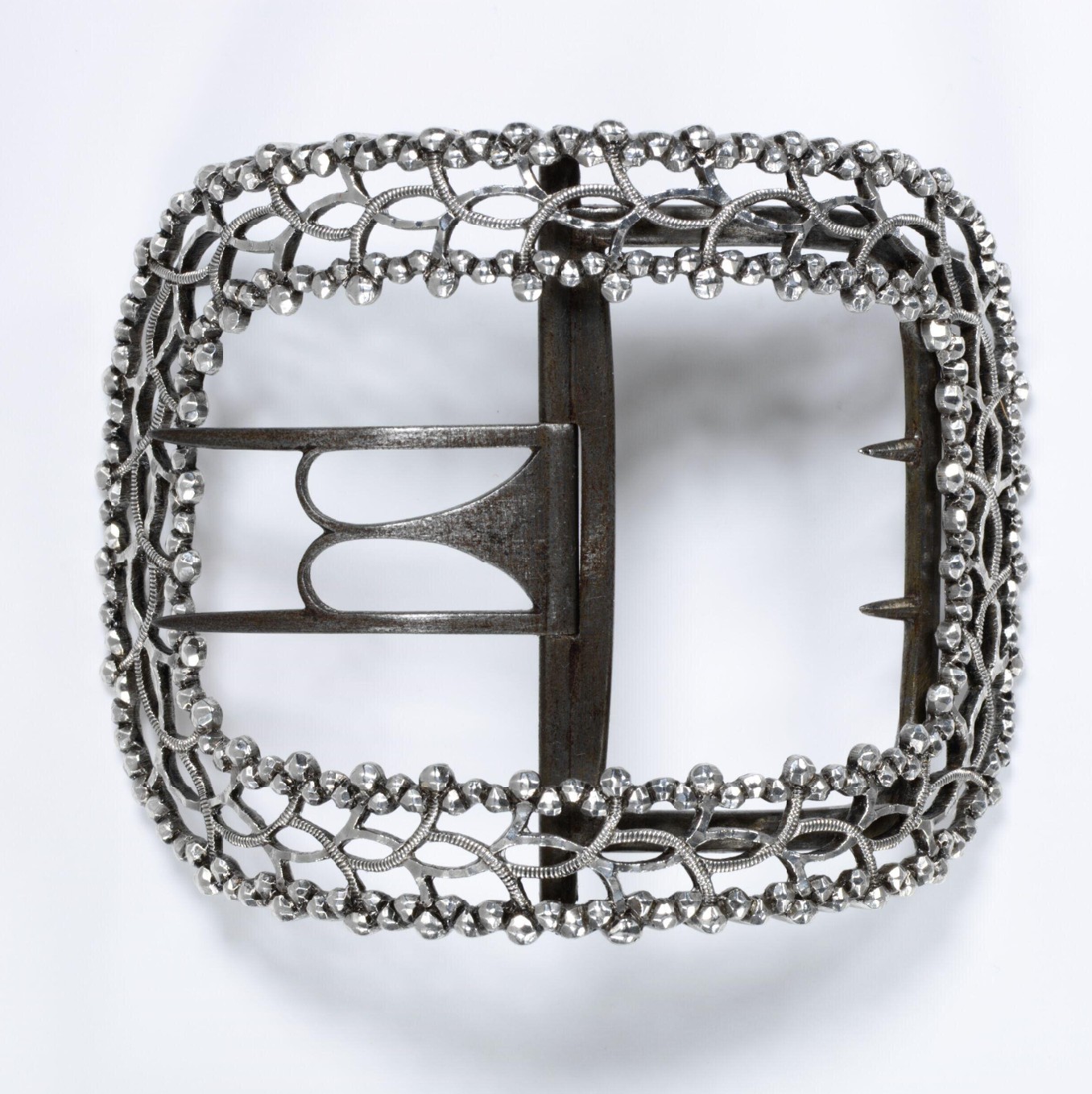

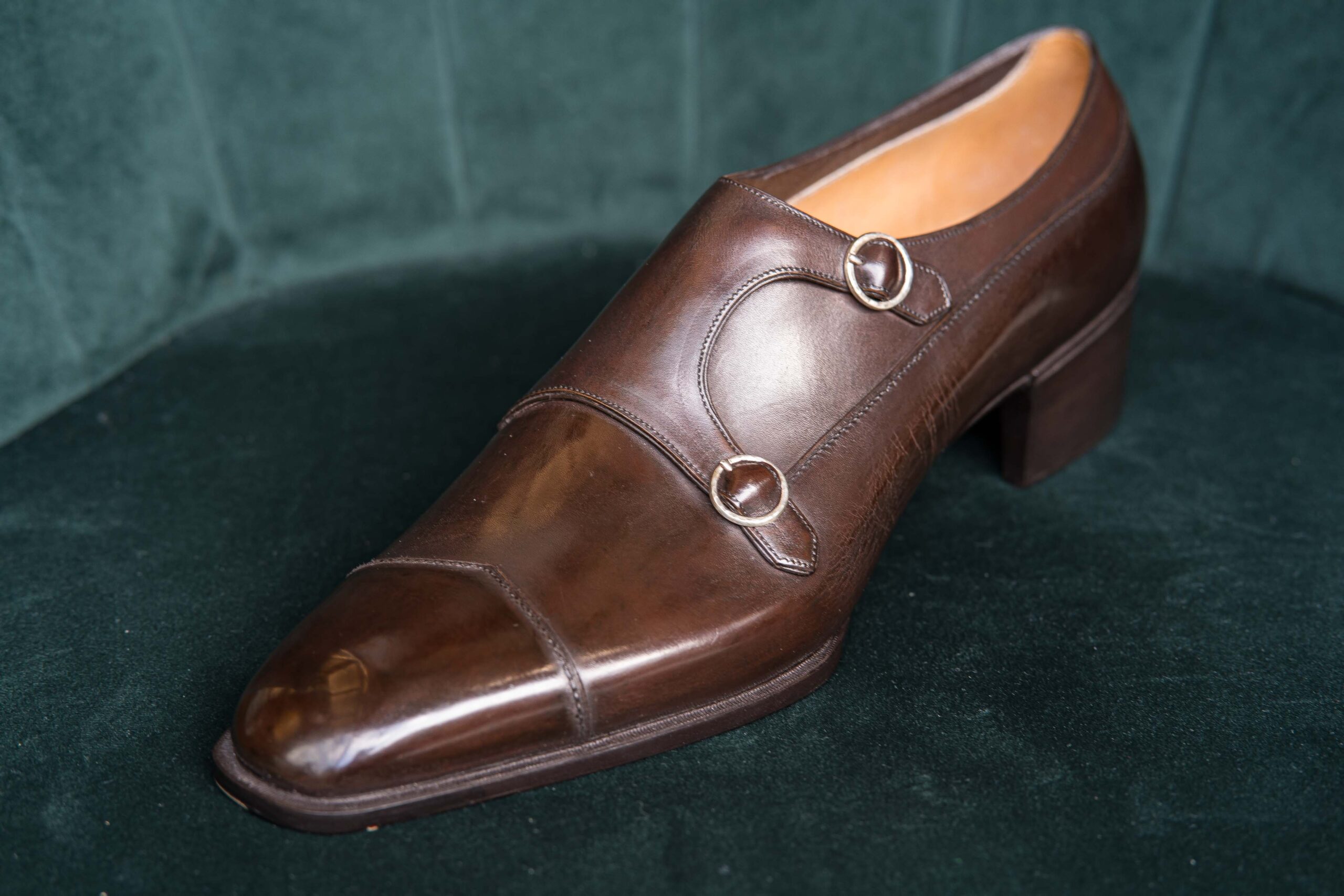
As we leave the cloister, we enter the workshop and the wardrobe. The "Monk" transitions from a spiritual identity to a stylistic one.
The Monk Strap shoe originated from a practical need: monks required durable footwear for labor. Yet, history transformed the utilitarian into the fashionable. What began as a buckle for mud work evolved into silver and brass—a symbol of the modern gentleman.
This room explores Liberalism in its early form: the freedom of movement and the freedom of taste. The monk strap sits between the formal Oxford and casual Loafer. Here, the "Monk" no longer hides the body; it adorns it.
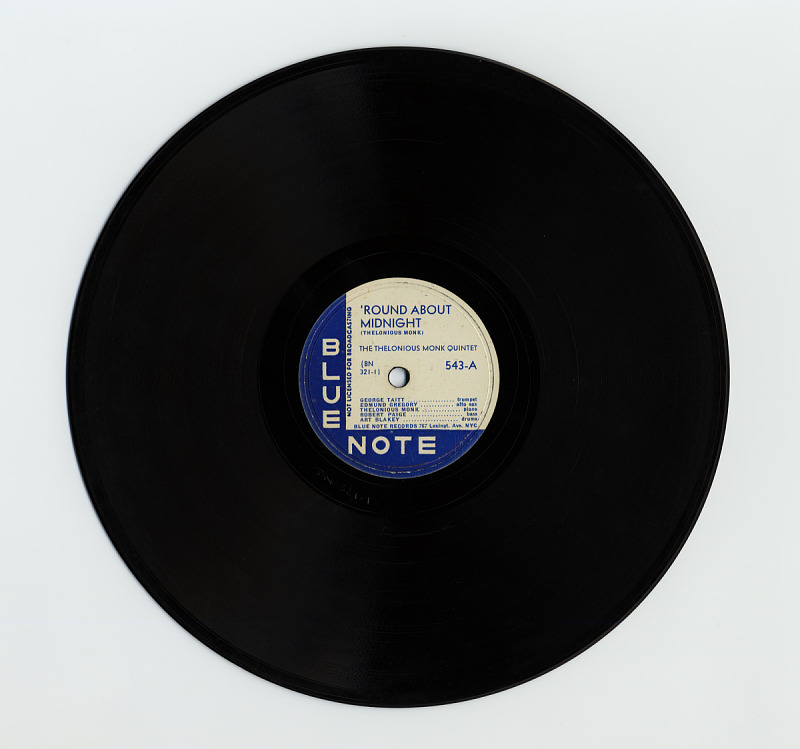
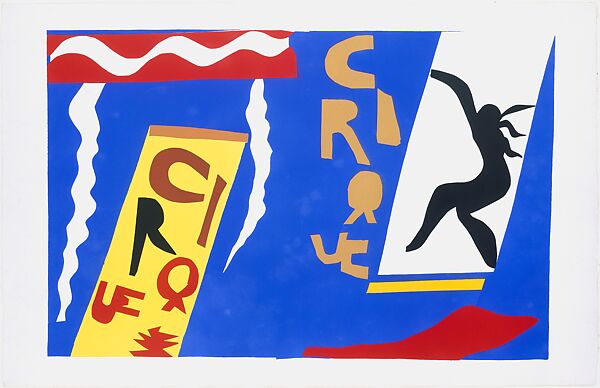
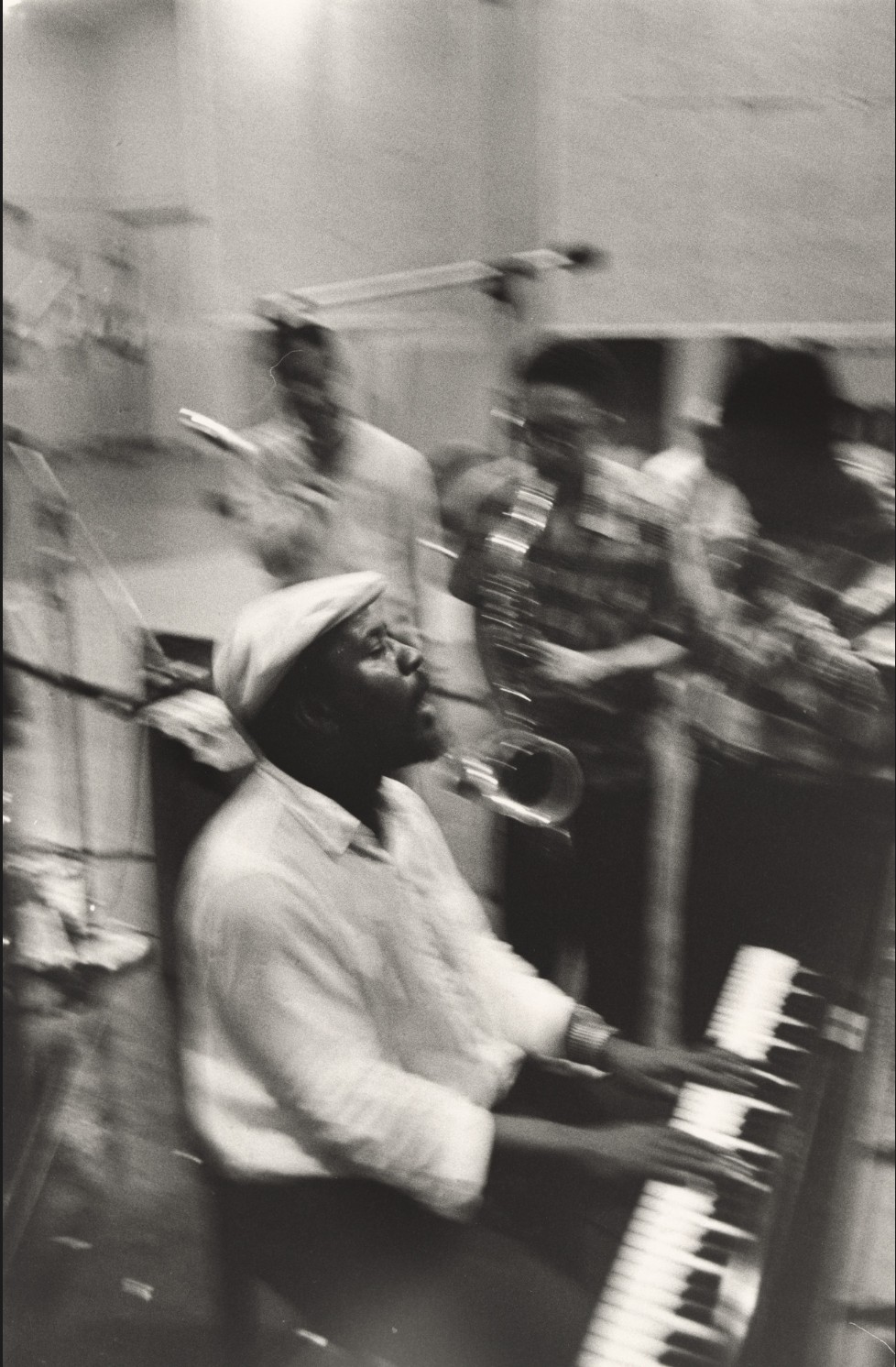
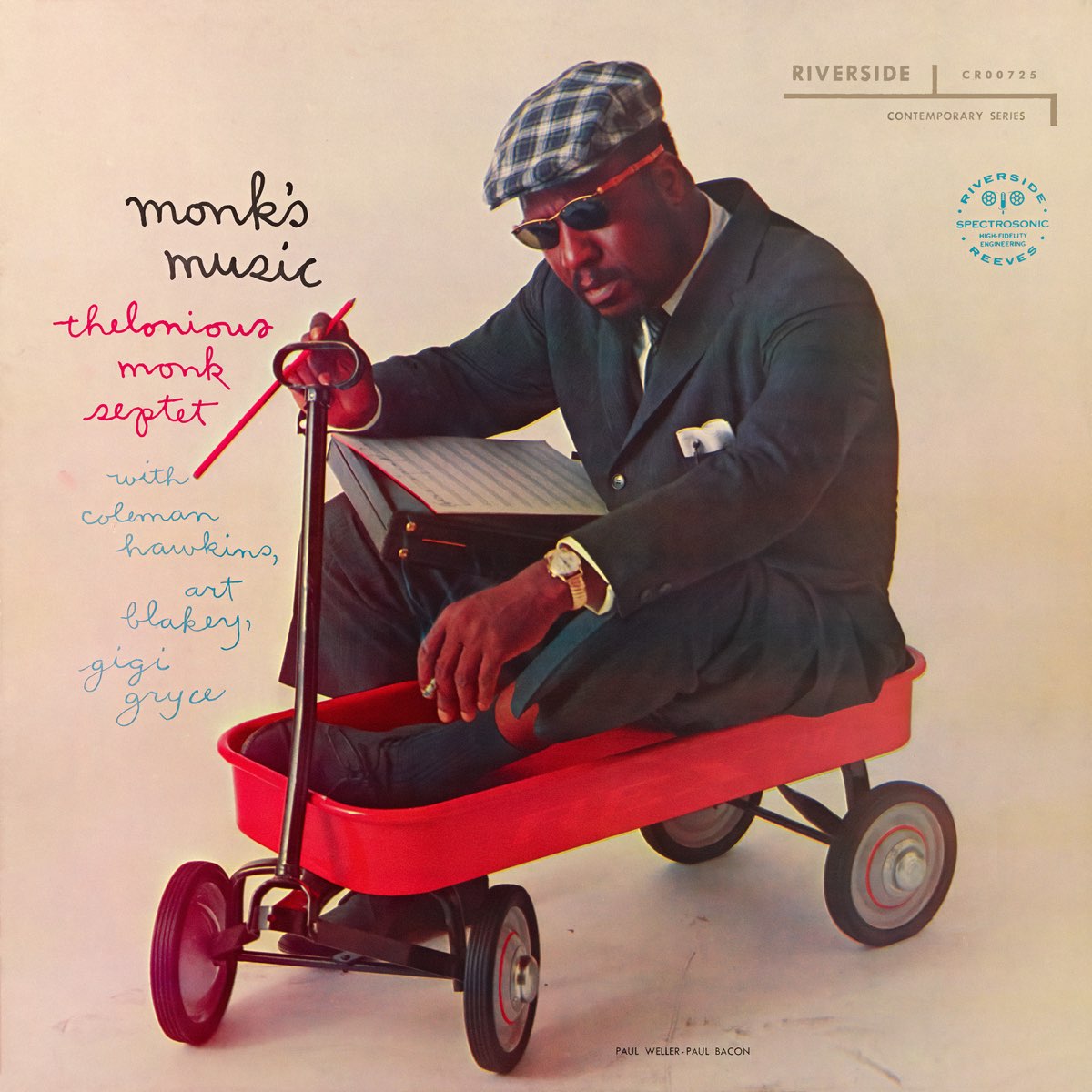
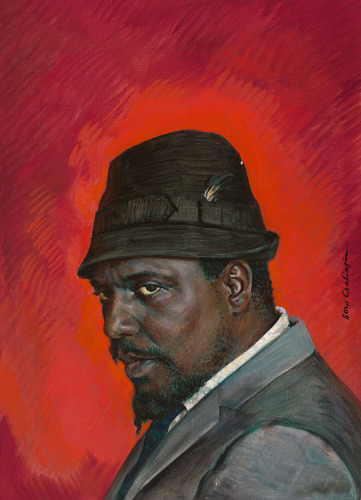
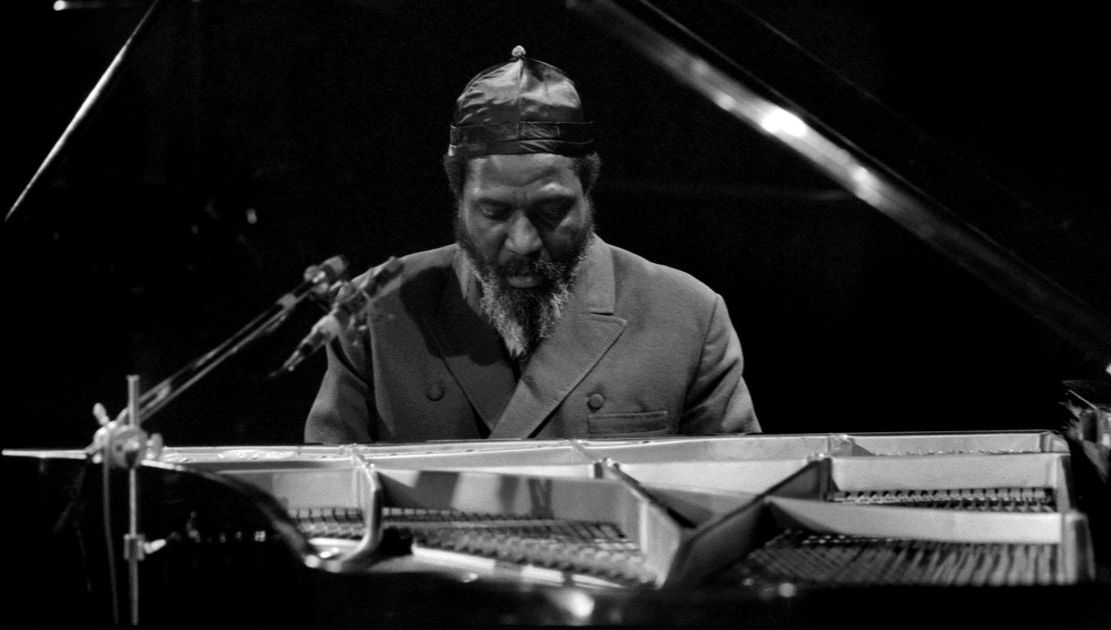
We end our journey in the dim light of the jazz club, where the "Monk" is no longer a follower of rules, but a breaker of them.
Thelonious Monk, the High Priest of Bebop, represents the ultimate semantic shift. Unlike the medieval monk who sought to disappear behind a hood, Thelonious announced his presence with eccentric hats, bamboo sunglasses, and dissonant chords that challenged the musical establishment.
This is the era of Radical Liberalism. The "Rule" of the first room has been replaced by "Improvisation." The silence of the cloister has exploded into the complex, percussive noise of modern jazz. As you examine these records and personal effects, witness how the discipline of the past has been transformed into the rigorous freedom of art. The Monk is finally free.
II. Mental Discourse
The Path of Ideas. Step away from dates and dive into the philosophical shift. This narrative groups artifacts by their inner meaning: The Sacred, The Secular, and The Subversive. This path explores how humanity moved from collective discipline to individual freedom.
The Identity
This section examines how “Monk” becomes an identity—a name that crystallizes into a recognizable figure, style, or persona.
Across different media, “Monk” no longer refers to a religious vocation but to a distinct presence: a way of appearing, being seen, and remembered. Whether through footwear, portraiture, or iconic imagery, identity here is constructed through repetition and recognition. What once described withdrawal and anonymity is transformed into a public signature. These objects show how the word Monk shifts from describing a life of erasure to naming a visible, legible self within modern culture.
The Echo
This section focuses on echoes of the monk—traces of monastic discipline, restraint, and structure that persist even after the religious context has disappeared.
Here, “Monk” functions less as a name than as a resonance. Practices of repetition, silence, rule-following, and material limitation reappear in secular domains: in music, in craft, in visual form. These works do not imitate monastic life directly, but they inherit its logic. The monk’s discipline survives as an echo—reshaped, displaced, yet still audible within modern creative practices.
The Spirit
This section addresses the spirit of the monk as a philosophical stance rather than a historical role.
It gathers works in which restraint becomes a condition for freedom, and limitation a source of intensity. The monk here is neither cloistered nor visible, but internalized: a way of working that embraces rigor, repetition, and solitude in order to generate transformation. Across art, music, and material culture, these objects suggest that the monastic spirit persists wherever creation demands devotion, patience, and a willingness to submit to self-imposed rules. In this sense, Monk names not an identity or an echo, but an enduring ethic of making.